
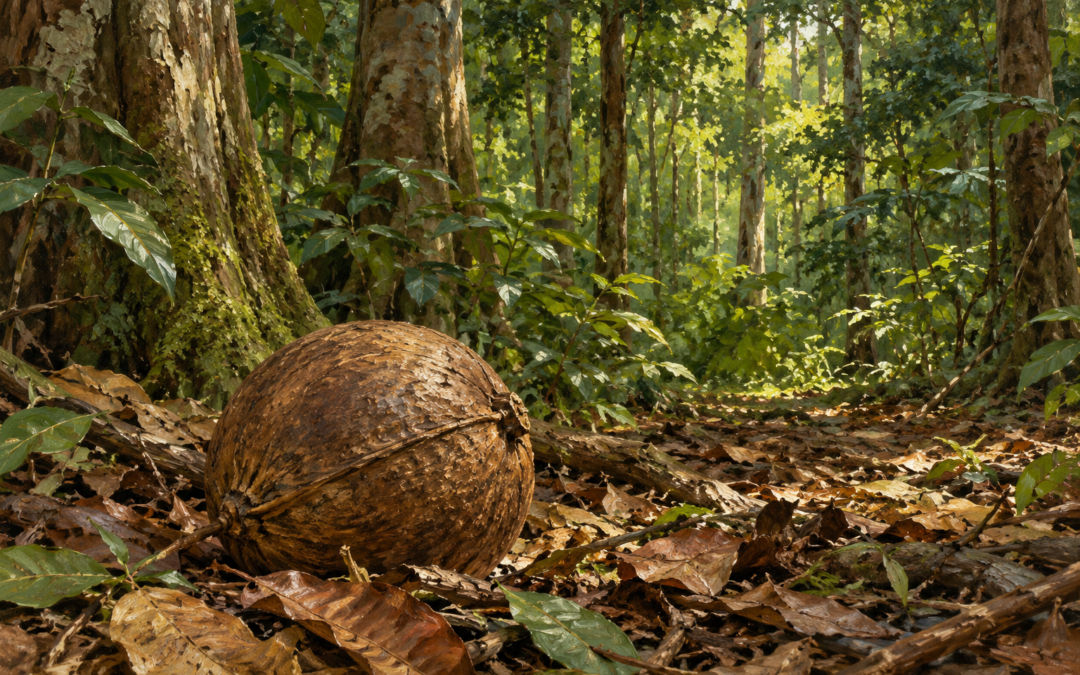
Ele veio da mata comendo sapucaia
Ele veio da mata comendo sapucaia
Ele veio da mata comendo sapucaia
Ele veio da mata comendo sapucaia
Maia Dendê
Meu caboclo Maia
Maia Dendê
Meu caboclo Maia
Maia Dendê
Meu caboclo Maia
Maia Dendê
He came from the forest eating sapucaia
He came from the forest eating sapucaia
He came from the forest eating sapucaia
He came from the forest eating sapucaia
Maia Dendê
The caboclo Maia
Maia Dendê
The caboclo Maia
Maia Dendê
The caboclo Maia
Maia Dendê
Did you know?
Caboclo
- Caboclo represents the cultural blending of Indigenous Brazilian and African traditions, serving as a powerful symbol of identity and resistance within capoeira.
- In the spiritual universe of capoeira, the Caboclo is revered as an ancestral warrior spirit of the forest who possesses profound knowledge of nature and defense.
- The archetype embodies the ultimate master of hunting, tracking, and camouflage, inspiring capoeiristas to move with instinctive agility, sharp cunning, and sharp awareness.
- Many traditional capoeira songs pay tribute to these spirits, calling upon their protection, warrior strength, and deep connection to the land during a match.
- The imagery is heavily reflected in capoeira music through the berimbau, which was historically constructed from indigenous forest materials like biriba wood and gourds.
- Today, honoring the Caboclo honors the indigenous roots of Brazilian culture, recognizing their shared struggle alongside Afro-Brazilians against historical oppression.
Dendê
- Dendê refers to the vibrant palm oil imported from West Africa that became a fundamental element in Afro-Brazilian cooking, spiritual rituals, and capoeira culture.
- In the context of the roda, the word represents the vital energy, spice, intensity, and deep passion that capoeiristas bring to their physical game.
- When a match becomes exceptionally dynamic, fast-paced, and full of creative cunning, it is frequently described as having a lot of dendê.
- Capoeiristas regularly invoke the term in traditional songs to request spiritual strength, alertness, and an energetic spark from the musicians.
- It serves as a cultural symbol of resilience, honoring the historical preservation of African identities and survival strategies in Brazil.
- Today, having this quality means playing with authentic soul and drive, ensuring the performance remains captivating, sharp, and powerful.
Maia Dendê
- Maia Dendê refers to a celebrated ancestral spirit, or Caboclo, frequently invoked in traditional capoeira music and ritual circles.
- The name represents a powerful character from Afro-Brazilian spiritual folklore who embodies the raw, untamed energy of the wilderness.
- The word dendê refers to the vibrant palm oil central to Afro-Brazilian culture and Candomblé rituals, symbolizing vital energy, passion, and spiritual power.
- When capoeiristas sing the phrase "Maia dendê, meu Caboclo Maia," they are requesting spiritual strength, alertness, and deep protection inside the ring.
- The concept celebrates the historic blending of African and Indigenous struggles, honoring the shared warrior lineages that gave birth to the art.
- Today, chanting this name keeps capoeira firmly rooted in its ancestral foundations, ensuring the game maintains its sacred rhythm, soul, and intensity.